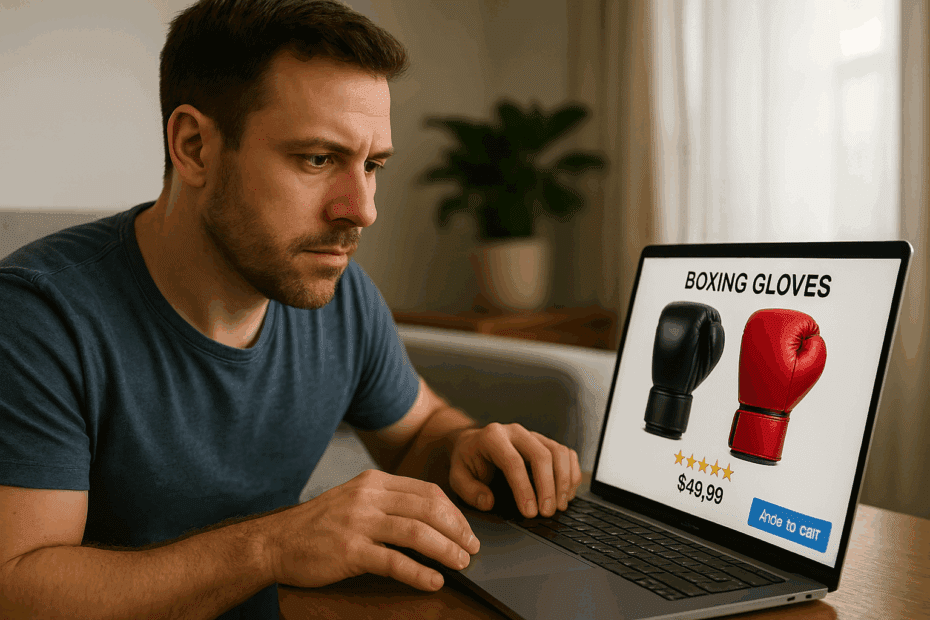
Don’t Let Bad Gear Hold You Back
Every combat athlete has a story about the first piece of gear they bought. Maybe it was a BJJ gi that shrank two sizes after one wash. Or boxing gloves that looked flashy but left your wrists sore. The truth is, bad gear doesn’t just drain your wallet—it can stall your progress and even cause injuries.
Whether you’re stepping onto the mats for your first jiu-jitsu class, lacing up gloves for a heavy bag session, or prepping for your first amateur MMA fight, the right gear makes all the difference. Good equipment protects your body, helps you train consistently, and gives you confidence in your sport.
In this guide, we’ll break down what to look for in combat sports gear, the essentials for each discipline, how to balance budget with quality, and the biggest mistakes to avoid when shopping online. By the end, you’ll know exactly how to gear up smart without wasting money.
What to Look for in Combat Sports Gear
When shopping for combat sports gear—whether it’s a gi, gloves, shin guards, or wrestling shoes—keep these five factors in mind:
- Fit & Comfort
Gear should fit snugly but not restrict movement. Too tight and you’ll feel uncomfortable; too loose and you risk injury or losing effectiveness. Always check size charts—especially for gis and gloves. - Durability
Combat sports are rough on equipment. Look for reinforced stitching, quality fabrics, and strong closures like Velcro or laces. Cheap gear might save money upfront, but it usually wears out faster. - Protection
Gloves should provide wrist and knuckle support. Shin guards should cover bone without slipping. Mouthguards should mold properly to protect your teeth. If safety feels questionable, skip it. - Hygiene
Combat gear gets sweaty and stinky fast. Choose rashguards with moisture-wicking fabric, washable shin guards, and gloves with ventilation. Washable and quick-dry materials are your best friend. - Budget & Value
You don’t always need the most expensive option. Starter gear can work fine for beginners. Spend more only when you know you’re committed and training regularly.
Gear Essentials by Sport
Each combat sport has its own unique demands. Here’s a breakdown of must-have gear:
Brazilian Jiu-Jitsu (BJJ)
- Gi (Kimono): Heavy cotton, reinforced stitching. Avoid ultra-light gis until you know competition weight limits.
- Belt: Comes with most gis but higher-quality belts last longer.
- Rashguard & Spats: Essential for no-gi training. Look for compression fit and flatlock stitching.
- Mouthguard: Optional but smart for live rolling.
Boxing
- Gloves: 14–16 oz for training, 10–12 oz for sparring depending on weight class. Look for secure wrist straps.
- Hand Wraps: Protect your knuckles and wrists. Cotton wraps with a little stretch are ideal.
- Mouthguard: Non-negotiable. A boil-and-bite option works fine for beginners.
- Headgear (for sparring): Extra protection as you start contact training.
Muay Thai
- Gloves: Similar to boxing, but often more flexible for clinching.
- Shin Guards: Must cover from ankle to just below the knee, with secure straps.
- Shorts: Shorter cut than boxing trunks, allowing free movement for kicks.
- Hand Wraps & Mouthguard: Same as boxing.
Wrestling & Judo
- Singlet (Wrestling): Form-fitting to prevent gripping.
- Shoes (Wrestling): Provide ankle support and mat grip.
- Ear Guards: Protect against cauliflower ear.
- Gi (Judo): Thicker and heavier than BJJ gis to withstand grip fighting.
Mixed Martial Arts (MMA)
- MMA Gloves: Open-finger design for grappling and striking. Start with 6 oz training gloves.
- Rashguard & Shorts: Compression tops and board-style shorts built for grappling.
- Shin Guards: Especially for kick-heavy training days.
- Mouthguard & Hand Wraps: Same as boxing/Muay Thai.
How to Choose Gear That Fits Your Budget
You don’t need to buy a $200 gi or $150 gloves to start training. Here’s how to approach gear shopping smartly:
- Starter vs. Premium Gear
Beginners should start with mid-tier gear—affordable but reliable. For example, a $60–$80 gi or $50–$70 gloves are plenty for your first year. Once you’re training consistently, upgrading to premium gear makes sense. - Where to Spend More
Spend more on protective gear—like gloves, shin guards, and mouthguards. These items directly affect your safety. For things like shorts or rashguards, budget-friendly options often hold up fine. - Leverage Online Shopping
Amazon and major online combat sports retailers offer deals and reviews to help you avoid bad buys. Always read reviews from athletes who use the gear for the same sport.
Care & Maintenance Tips
Taking care of your gear not only saves you money but also keeps your training partners happy.
- Gis & Rashguards: Wash after every use. Cold water and hang dry to prevent shrinking.
- Gloves & Muay Thai Shin Guards: Air them out immediately after training. Use glove deodorizers or cedar inserts to fight bacteria.
- Mouthguards: Rinse after every use and store in a vented case.
- Shoes: Wipe down soles after training to avoid mat contamination.
A few simple routines extend the lifespan of your gear by months—or even years.
Mistakes to Avoid When Buying Combat Sports Gear
- Buying Based on Looks Alone
That flashy design doesn’t mean it’s functional. Always prioritize comfort and protection over style. - Overpaying for Big Brands
Just because a brand is popular doesn’t mean it’s the best choice for beginners. Many mid-tier brands offer the same durability at half the price. - Ignoring Size Charts
Nothing is worse than gloves that don’t fit or a gi that’s two sizes too small. Always check charts and, when in doubt, size up slightly. - Skipping Essentials
Don’t show up to BJJ without a mouthguard or to boxing without wraps. Skipping protective gear almost always leads to regret (and injuries).
Gear Up Smart, Train with Confidence
Choosing the right combat sports gear doesn’t have to be overwhelming. Focus on fit, protection, and value—not just the brand name or price tag. Whether you’re drilling armbars in a West Jordan BJJ class, grinding through Muay Thai rounds, or wrestling hard in practice, the right equipment keeps you safe, comfortable, and ready to improve.
Start with the essentials, buy within your budget, and upgrade as your training grows. With the right gear, you can train harder, smarter, and longer—without wasting money along the way.